

A young vicar for a neglected parish
William John Butler was born in Marylebone, London, on 10 February 1818, the eldest of five children. He was a Queen’s Scholar at Westminster School and went on to Trinity College, Cambridge. Influenced by the Oxford Movement, he was ordained in 1841 and served curacies at Dogmersfield in Hampshire, Puttenham in Surrey and Wareside in Hertfordshire. In 1843 he married Emma Barnett.
He was offered Wantage in June 1846 and took up residence in January 1847, aged 28. His first letters from the Bear Hotel complain of slovenly services, a dull sermon and a churchyard in poor order. Over the next thirty-three years he transformed the parish.
Churches, schools and a sisterhood
Butler’s first building was a small brick church at Charlton, opened in August 1848. He engaged the young architect George Edmund Street, who designed a new vicarage for him and later much else in the town. His plans to restore the parish church met fierce opposition at a vestry meeting in April 1852, amid national anger at ‘high church’ practices; it was some years before the restoration went ahead.
In 1848 he began the sisterhood that became the Community of St Mary the Virgin, one of the first religious communities in the Church of England since the Reformation. He remained its warden until he died. Education was his main interest: he taught in the church and the new National Schools, helped train teachers, and as a governor of the Wantage Town Lands supported the refounding of the grammar school as King Alfred’s Grammar School in 1849–50. In 1873 he founded St Mary’s School for girls, run by the sisters. Several of his curates became well-known clergy, among them Alexander Mackonochie and Henry Liddon.
He was also involved in town improvements such as drainage and gas street lighting.
Worcester and Lincoln
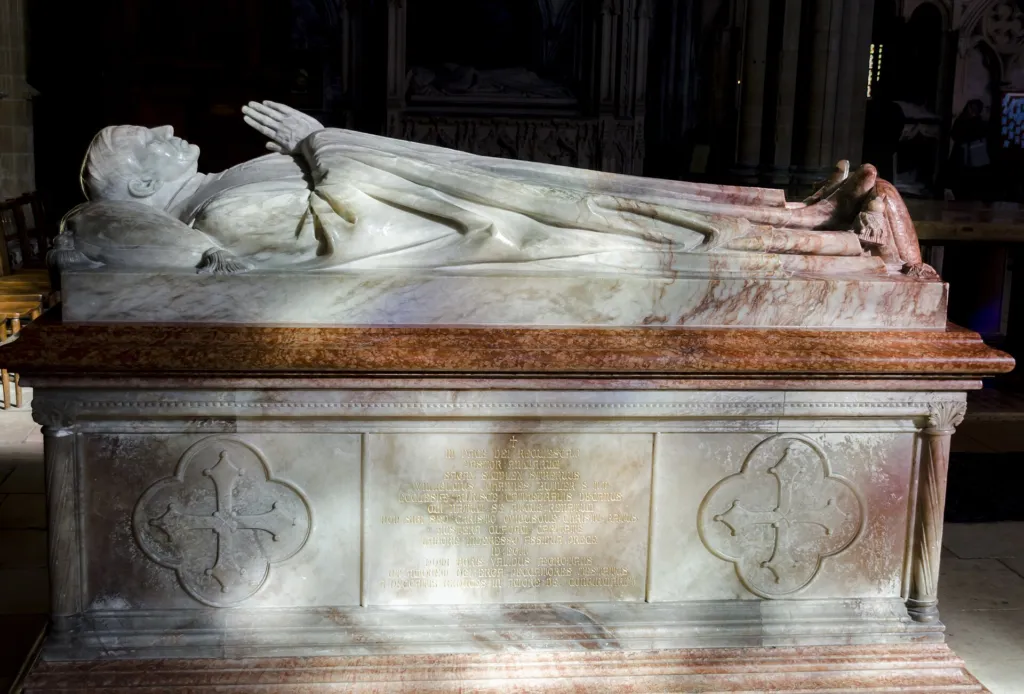
In 1880 Butler became a canon of Worcester, and in 1885 Dean of Lincoln. He died at the deanery in Lincoln on 14 January 1894 and was buried in the cathedral’s cloister garth; his wife Emma died a week later and was buried beside him. Their son Arthur John Butler became professor of Italian at University College London.
What to see locally
- St Mary’s Convent, Denchworth Road: Street’s convent buildings of 1855–56 and the later chapel by J. L. Pearson (the chapel is Grade II*). The convent is a private religious house.
- Parish Church of St Peter and St Paul: restored during his incumbency.
- Former King Alfred’s Grammar School buildings, Portway, now part of King Alfred’s Academy.
- Vale and Downland Museum holds photographs of Butler and a local history booklet about him.