

West Hendred
West Hendred is a small village on the Hendred Brook, about 3 miles (5 km) east of Wantage off the A417. It is known for Holy Trinity, a 14th-century church that has changed little since it was built.
Its pub is the Extraordinary Hare, and two mapped walks head out through the Hendreds and up to Scutchamer Knob on the Ridgeway.
8local listings
Filters
Category
Good to know
Cuisine
Results

Go Green Autos Ltd
Go Green Autos is based at Hillcrest Garage on Reading Road in West Hendred and deals only in…

Higgs And Webb Brick And Stone Limited
Building with quality and passion - let us guide your project.

Holy Trinity, West Hendred
Holy Trinity is the Anglican village church in West Hendred, near Wantage. It is part of the Wantage…
Octopus Events
Octopus Events is an event planning and design company founded in 2016 and based in West Hendred, near…

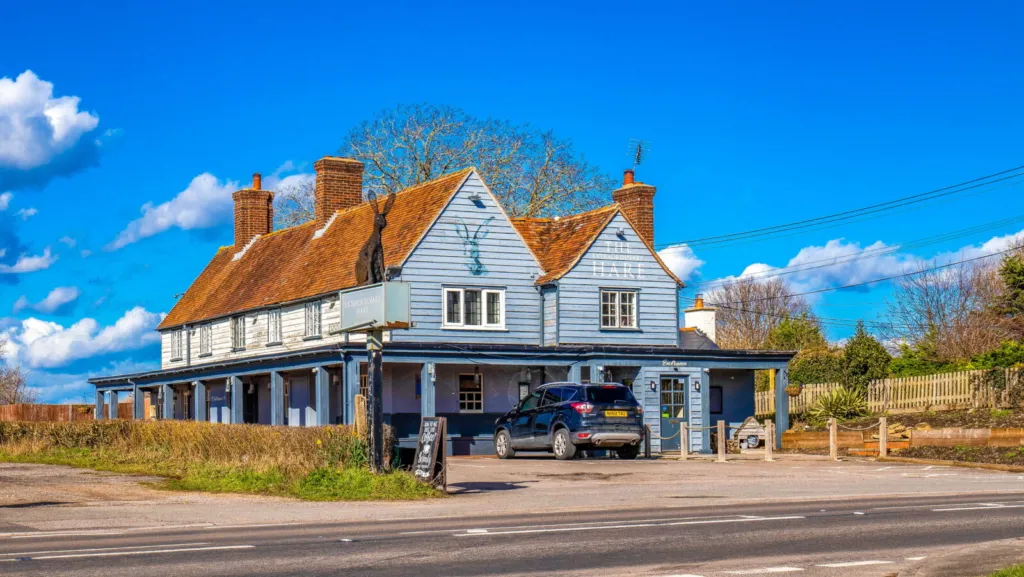
The Extraordinary Hare
Opens 09:00Experience fresh, classic pub fare in our long-awaited community hub.
West Hendred Parish Council
West Hendred Parish Council is the parish council for the village of West Hendred, near Wantage in the…
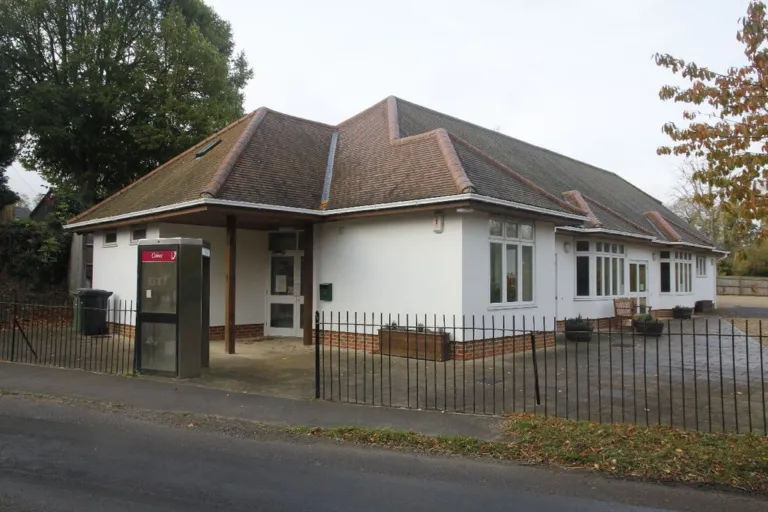
West Hendred Village Hall
West Hendred Village Hall is on Ginge Road in West Hendred, next to the village play park and…
Know a business or club in West Hendred?
Listings are free. Add a local business, club, group or service and we will check it and put it live, usually within a day.
West Hendred: a short history
West Hendred today
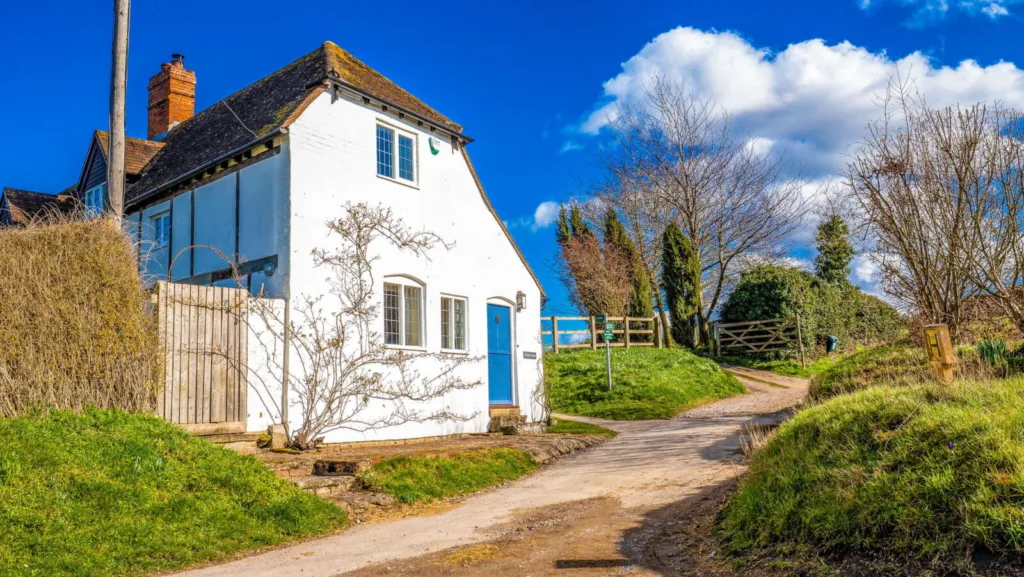
West Hendred is a small village of fewer than 400 people. Like its neighbours it is a long, narrow strip parish, running about five miles from the downs south of the Ridgeway, through the spring-line village, and out onto the clay of the Vale. The village street follows the Hendred Brook north from the church, with a handful of timber-framed and thatched cottages; the village centre is a conservation area. The parish also includes the hamlet of East Ginge under the Downs.
There is no shop or school. At the time of writing the village pub is the Extraordinary Hare (long known as the Hare) on the A417 at the northern edge of the village, which follows the line of the old Portway between Wantage and Wallingford.
History
Saxon grants and Domesday
The earliest written record is a grant of land at ‘Hennarithe’ to the thegn Brihtric by King Eadwig in 955, followed by a grant to Abingdon Abbey by King Edgar in 964. The abbey lost it before the Conquest, and by 1086 the land had passed through the Norman baron Nigel d’Aubigny to St Albans Abbey. Domesday Book does not separate the two Hendreds cleanly; together they had 72 households.
Manors and families
St Albans gave the main manor to its daughter house at Wallingford. When Wallingford Priory was dissolved in 1528 the manor went to Cardinal Wolsey for his new college at Oxford, and after Wolsey’s fall it was given to Corpus Christi College, Oxford, which is still a landowner in the parish. A second manor, Sparsholt’s Court, took its name from the Sparsholt family who held it from 1273 into the 15th century. It later belonged to the Wiseman family, and the old manor house was pulled down in 1721 and replaced by the present farmhouse. East Ginge, in the south of the parish, had its own manors and later passed to the Lockinge estate (see East Ginge).
The church
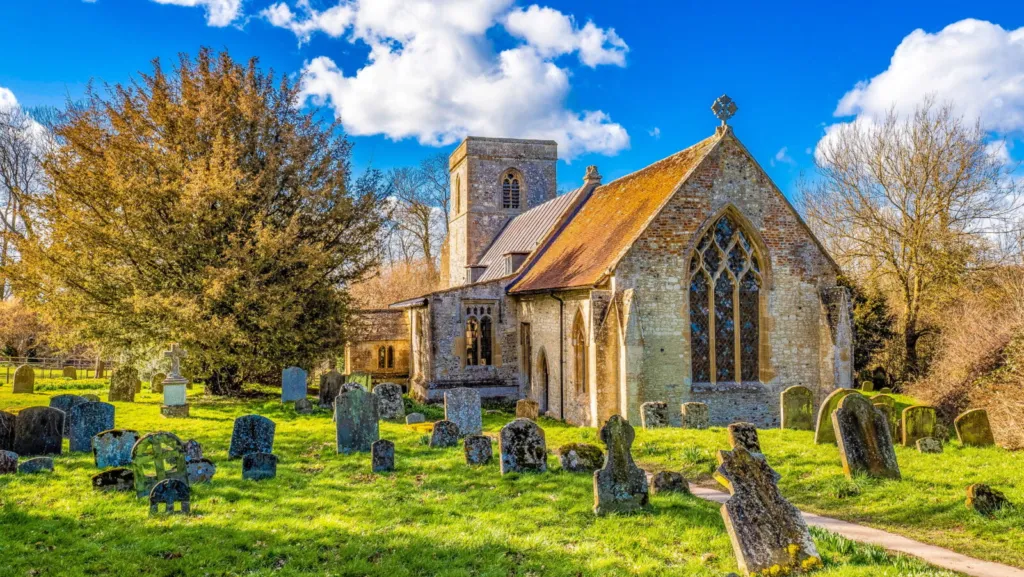
Holy Trinity was rebuilt almost entirely in the 14th century and has been little restored since, which is why it is listed Grade I. It keeps 14th-century glass in the east window, medieval floor tiles in the chancel and nave, a Jacobean pulpit and communion table, old benches, and a font cover dated 1630. In the early 20th century the church bell was still rung at eight on Sunday mornings so that villagers could set their clocks by it.
Farming, enclosure and later change
The parish was farmed in open fields until enclosure in 1877, later than most of its neighbours. Watercress was grown in the streams, and the mill on the brook belonged to Sparsholt’s Court. The village school closed in 1967, when its pupils moved to a new school in East Hendred. The parish moved from Berkshire to Oxfordshire in 1974.
Things to see
- Holy Trinity church, a largely unaltered 14th-century building (Grade I).
- Sparsholt Court, the early 18th-century farmhouse on the site of the old manor (Grade II), seen from the lane.
- The Mill House and its outbuildings on the Hendred Brook (Grade II).
- The Ridgeway and the downland tracks in the south of the parish.
West Hendred in pictures

Walks from West Hendred

The Hendreds and Ardington
A gentle, mostly flat loop linking three villages below the downs, with brooks, a medieval chapel museum and the Ardington estate.

West Ilsley, Scutchamer Knob and the Ridgeway
A climb from a racing village to the Ridgeway, out to an ancient barrow with a Saxon story, and back past the gallops on Bury Down.
Guides to West Hendred

Villages near Wantage: how far and what each one has
This is a plain run-through of the villages near Wantage: which direction each one sits in, how far out it is, and…
People & places of West Hendred

The Ridgeway and the Icknield Way
The ancient trackway along the crest of the downs above Wantage, now a National Trail, and the lower Icknield Way along the foot of…

Scutchamer Knob (Cuckhamsley Hill)
A great prehistoric mound on the Ridgeway above East Hendred, named after Cwichelm, where the shire met and a Danish army halted in 1006.
Wantage and its villages have more than a thousand years of recorded history. Read it century by century, with the people and places that shaped it.
Explore local history