Esjaye Catering
Event catering, plus ready meals and sushi at Wantage market on Wednesdays
Details checked

Letcombe Bassett is a small village at the head of a deep combe below the Ridgeway, about 2.5 miles (4 km) south-west of Wantage. It is known for its old watercress beds, its Norman church and its links with Jonathan Swift and Thomas Hardy.
Four mapped walks start from or pass through the village, including the Devil's Punchbowl and Segsbury Camp, and Thatchcombe offers bed and breakfast.
7local listings
Event catering, plus ready meals and sushi at Wantage market on Wednesdays
Trust the Horse Experts: Premium Hay, Straw & Bedding Supplier
Tarmac surfacing, groundworks and civil engineering contractor.
Letcombe Bassett Parish Meeting is the local council for Letcombe Bassett, near Wantage in the Vale of White…
Letcombe Bassett Village Hall is the village hall on Gramps Hill in Letcombe Bassett, near Wantage, in the…
Grade II* listed village church in the Ridgeway Benefice.
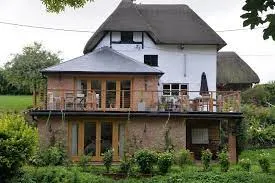
Thatchcombe Bed and Breakfast is a B&B extension to Thatched Cottage on Bassett Road in Letcombe Bassett, near…
Listings are free. Add a local business, club, group or service and we will check it and put it live, usually within a day.
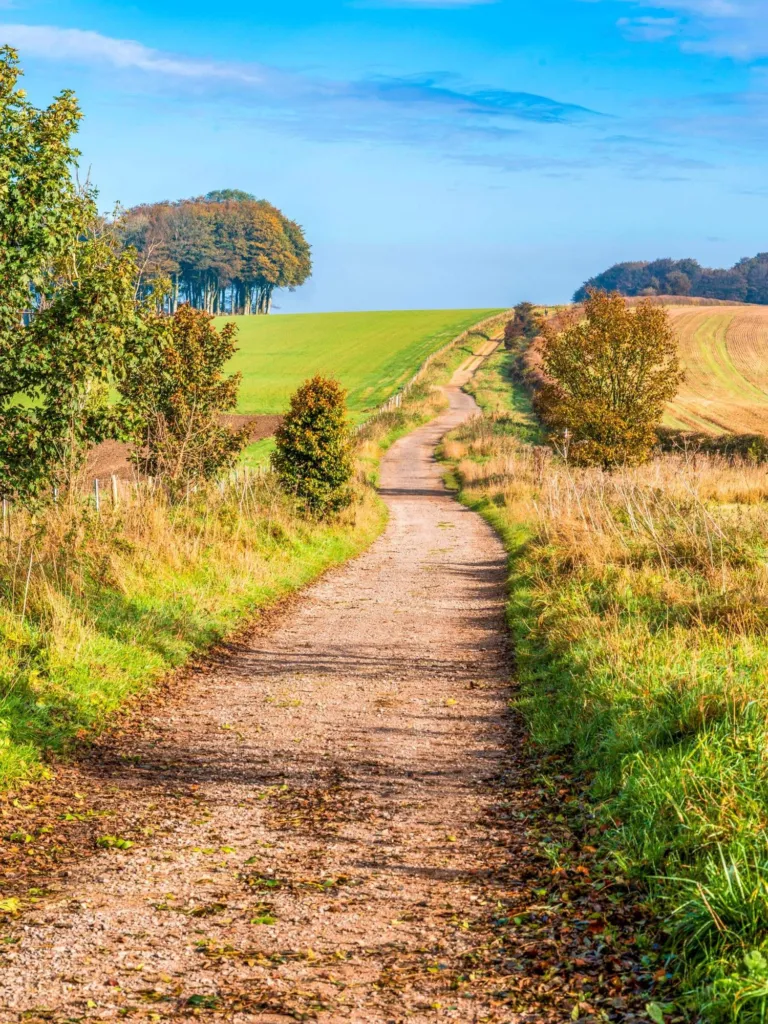
Letcombe Bassett is a small village tucked into the head of a steep combe on the north face of the Berkshire Downs. Letcombe Brook rises here and runs down past the old watercress beds towards Letcombe Regis and Wantage. The Ridgeway runs along the top of the downs above the village, and the chalk grassland of Hackpen, Warren and Gramp’s Hill Downs is a Site of Special Scientific Interest. The parish was in Berkshire until 1974.
This is one of the smallest parishes in the area, with about 160 people. There is the church of St Michael and a listed village hall. The Yew Tree, once the village pub, is now a private house, and there is no shop or school. It is reached by lanes from Letcombe Regis and the B4507, or on foot from the Ridgeway down Gramp’s Hill.
Several round barrows lie on the downs south of the village. Two were opened by Canon William Greenwell in 1880, and traces of early terraced fields have been noted near them. The hillfort of Segsbury Camp is on the ridge just to the east, in the neighbouring parish.
Before 1066 the manor belonged to Wigot of Wallingford; by 1086 it was held by Robert d’Oilly, with 26 households and two mills. By about 1158 it had passed to Richard Basset, whose family name was added to tell this ‘upper’ Letcombe from the king’s manor downstream. The Basset estate was split among the six daughters of Thurstan Basset in the 13th century, and part of it passed through the Beauchamps and the Lords Cobham. In 1524 William Fettiplace of Childrey bought the main manor and left it to Queen’s College, Oxford, to fund his chantry and almshouse at Childrey. The college still held it in 1924. The open fields were enclosed in two stages, with awards in 1774 and 1804.
St Michael’s is small but old. The chancel is 12th-century, and on its north side is a blocked Norman doorway whose capitals are carved with the symbols of the four evangelists. The imposts of the chancel arch carry rich scroll and cable ornament. The tower was built late in the 13th century, with its west face later rebuilt in brick. A south aisle was added in 1862, and two of the three bells are dated 1576.
In the summer of 1714 Jonathan Swift left London politics and spent about three months at the rectory with his friend John Geree, the rector. There he wrote the pamphlet Some Free Thoughts upon the Present State of Affairs. Alexander Pope is said to have visited him. In the 1890s Thomas Hardy used the village as Cresscombe in Jude the Obscure, and a thatched cottage by the brook has long been known as Arabella’s Cottage. The name Cresscombe points to the local trade: watercress from the beds on the brook was sent to London, where ‘Bassett cress’ was cried in Covent Garden market. Racehorses have also been trained on the downs here.
After the Second World War the village’s future was in doubt. In 1948 a British Pathé newsreel, Shall Letcombe Bassett Die?, reported fears that the county council would not pay to bring services such as mains drainage to so small a place, and that people would have to leave. Villagers campaigned, and Letcombe Bassett survived.

A spring-line village circuit that follows the brook through a wildlife trust reserve to Letcombe Bassett and returns over the fields on old green lanes.
A downland loop from Sparsholt Firs round the rim of a dramatic chalk coombe, down to Letcombe Bassett and back up Gramp's Hill to the Ridgeway.
A classic downland circuit from Letcombe Regis through an Iron Age hillfort and along the Ridgeway to Lord Wantage's memorial cross, returning past the racehorse gallops.
A one-way walk home along the Ridgeway from the White Horse, past Hackpen Hill and Segsbury Camp, then down through Letcombe Regis into Wantage.
This is a plain run-through of the villages near Wantage: which direction each one sits in, how far out it is, and…
If you want to see the chalk horse cut into the Downs west of Wantage, this page is for planning it. It…
If you want to get up onto the Ridgeway near Wantage, this page sets out where the trail runs, which mapped walks…
This page is for anyone who wants a walk that finishes within reach of a pub. The pub walks near Wantage fall…
Need a bed near the town for a night or two? Hotels in Wantage come down to a short list in and…
This guide is for anyone in Wantage, Grove or the villages nearby who wants a decent walk with the dog and somewhere…
A large Iron Age hillfort on the downs above Letcombe Regis, used on and off between the 6th and 2nd centuries BC.
The ancient trackway along the crest of the downs above Wantage, now a National Trail, and the lower Icknield Way along the foot of…
For 900 years the chalk-fed Letcombe Brook turned corn mills from Letcombe Bassett to Wantage, and its clear water grew watercress for London.
The author of Gulliver's Travels spent summer 1714 at Letcombe Bassett rectory, writing a political pamphlet as the Tory government fell.
Racehorse trainer at Letcombe Bassett from 1963 to 1994, who won the Grand National three times: 1972, 1980 and 1985.
Wantage and its villages have more than a thousand years of recorded history. Read it century by century, with the people and places that shaped it.
Explore local history